14.08.2025

Navigating FINRA compliance has never been more challenging or more critical. With FINRA bringing 730 disciplinary actions in 2024 and assessing over $75.6 million in fines and disgorgement, broker-dealers face an increasingly stringent regulatory environment. The stakes are higher than ever, with average fines per action increasing 40% to $66,232, and firms must maintain comprehensive compliance programs to avoid devastating penalties that can exceed millions of dollars.
As regulatory oversight intensifies in 2025, broker-dealers need more than basic compliance knowledge they need actionable strategies and technology solutions that automate compliance processes while reducing operational risk. This comprehensive checklist provides the framework for building a robust FINRA compliance program, incorporating both regulatory requirements and practical implementation strategies, including how advanced platforms like ETNA Trading Platform’s back office are revolutionizing compliance automation.
FINRA conducts over 2,000 member firm examinations annually, with routine audits occurring every one to four years, depending on firm risk profiles. The examination frequency is determined by several factors, including:
The 2024 enforcement landscape reveals critical trends every broker-dealer must understand:
Volume Surge: FINRA disciplinary actions increased 22% to 730 cases in 2024, up from 610 in 2023. This represents a sustained upward trend in enforcement activity, with FINRA prioritizing cases involving customer harm, market integrity violations, and recidivist behavior.
Financial Impact: Despite fewer mega-fines, total monetary sanctions reached $99.6 million in 2024, including $75.6 million in fines and $24 million in restitution representing a 207% increase in restitution orders.
Focus Areas: The top enforcement issues by total fines assessed include trade reporting violations, spoofing, options trading irregularities, technological deficiencies, and fingerprinting non-registered persons.
Understanding your firm’s specific risk exposure is crucial for compliance planning:
High-Risk Categories:
Enhanced Scrutiny Triggers:
FINRA Rule 3310 Requirements:
☐ Written AML Program: Develop comprehensive written AML policies approved by senior management and reasonably designed to detect and report suspicious activity
☐ Customer Identification Program (CIP): Implement risk-based procedures to verify customer identities and maintain records of verification methods
☐ Ongoing Customer Due Diligence: Establish procedures for understanding customer relationships, developing risk profiles, and conducting ongoing monitoring
☐ Independent Testing: Conduct annual independent testing of AML program effectiveness (or every two years for specialized firms)
☐ AML Training: Provide ongoing training for appropriate personnel on AML policies and procedures
☐ Suspicious Activity Reporting: Maintain systems to identify and report suspicious transactions to FinCEN
☐ Record Retention: Maintain AML program records and customer identification documentation per regulatory requirements
Common Deficiencies to Avoid:
FINRA Rule 4210 Requirements:
☐ PDT Identification: Implement systems to identify customers executing four or more day trades within five business days (exceeding 6% of total trades)
☐ Minimum Equity Monitoring: Ensure PDT accounts maintain $25,000 minimum equity in margin accounts
☐ Account Restrictions: Implement automatic restrictions when accounts fall below minimum equity requirements
☐ Day Trading Buying Power: Calculate and monitor day trading buying power (4x excess maintenance margin)
☐ Margin Call Management: Issue day trading minimum equity calls when accounts fall below $25,000
☐ Documentation and Records: Maintain daily records of margin requirements and PDT designations
ETNA Trading Platform Implementation:
ETNA Trader’s back office provides out-of-the-box PDT compliance automation, including:
FINRA Rule 3210 Requirements:
☐ Prior Written Consent: Obtain written consent before associated persons open accounts at other financial institutions
☐ Account Disclosure: Require written notification of all existing outside accounts within 30 days of employment
☐ Associated Person Coverage: Monitor accounts of spouses, children, and other controlled accounts
☐ Ongoing Monitoring: Request duplicate confirmations and statements for outside accounts
☐ Documentation Management: Maintain comprehensive records of all outside account notifications and approvals
Potential Penalties: Rule 3210 violations can result in fines ranging from $2,500 to $20,000, suspensions up to two years, or permanent bars.
SEC Rules 17a-3 and 17a-4 Compliance:
☐ Blotters and Records: Maintain itemized daily records of securities transactions, receipts, deliveries, and cash movements
☐ Customer Account Records: Document customer information, including financial status, investment objectives, and employment details
☐ Communication Records: Preserve all business-related communications, including emails, texts, and social media
☐ Trade Records: Maintain detailed records of all securities transactions with complete audit trails
☐ Financial Records: Keep current ledgers reflecting assets, liabilities, income, and expenses
☐ Electronic Records Compliance: Implement 2023 Rule 17a-4 amendments for electronic recordkeeping and third-party storage
☐ Retention Periods: Ensure six-year retention for critical records (first two years easily accessible)
SEC Regulation BI Requirements:
☐ Disclosure Obligation: Provide clear disclosure of material conflicts of interest and fees
☐ Care Obligation: Conduct reasonable diligence and analysis before making recommendations
☐ Conflict of Interest Management: Identify, disclose, and mitigate conflicts that create incentives against customer interests
☐ Compliance Policies: Establish and maintain written policies and procedures for Reg BI compliance
☐ Form CRS Delivery: Provide relationship summaries to retail investors at account opening and upon material changes
☐ Documentation Standards: Maintain records demonstrating compliance with all Reg BI obligations
FINRA Rule 3110 Requirements:
☐ Written Supervisory Procedures (WSPs): Develop comprehensive procedures covering all business activities
☐ Supervisory System Implementation: Establish supervisory systems reasonably designed to achieve compliance
☐ Principal Supervision: Ensure adequate supervisory personnel with appropriate qualifications
☐ Review and Testing: Regularly test and update supervisory procedures based on business changes
☐ Exception Reporting: Implement systems to identify and investigate unusual activities
☐ Residential Supervisory Locations: Address new RSL rules for remote work supervision
Regulatory Expectations for 2025:
☐ Cybersecurity Policies: Implement comprehensive data protection and incident response procedures
☐ Third-Party Risk Management: Establish due diligence procedures for technology vendors and service providers
☐ Data Encryption: Ensure appropriate encryption for customer data and communications
☐ Incident Response Plans: Develop and test procedures for cybersecurity breaches and technology failures
☐ Staff Training: Provide regular cybersecurity awareness training for all personnel
☐ Vulnerability Management: Conduct regular security assessments and penetration testing
FINRA Rule 2210 and SEC Marketing Rule Compliance:
☐ Content Review: Establish procedures for reviewing all public communications and marketing materials
☐ Performance Claims: Ensure accuracy and completeness of all performance representations
☐ Social Media Monitoring: Implement supervision of social media activities and communications
☐ Digital Marketing: Review online advertising, websites, and digital marketing campaigns
☐ Record Retention: Maintain copies of all communications and marketing materials
☐ Principal Approval: Ensure appropriate principal review and approval of communications
Enhanced Scrutiny Areas for 2025:
☐ Suitability Analysis: Implement enhanced procedures for complex product recommendations
☐ Risk Disclosure: Provide clear, comprehensive risk disclosures for complex products
☐ Customer Education: Develop educational materials explaining product risks and features
☐ Options Supervision: Establish robust supervisory procedures for options trading activities
☐ Alternative Investments: Implement enhanced due diligence for private placements and alternative products
Net Capital and Customer Protection:
☐ Net Capital Calculations: Maintain accurate daily net capital computations
☐ Customer Protection Rule: Ensure compliance with customer funds segregation requirements
☐ Financial Reporting: Submit timely FOCUS reports and financial statements
☐ Capital Adequacy: Maintain capital levels above minimum requirements with appropriate buffers
☐ Liquidity Management: Monitor cash flow and liquidity positions
CRD System and Registration Requirements:
☐ Form BD Maintenance: Keep Form BD current with accurate business and ownership information
☐ Representative Registration: Ensure all associated persons are properly registered and licensed
☐ Continuing Education: Maintain CE requirements for all registered personnel
☐ Background Investigations: Conduct thorough background checks for new hires
☐ Annual Renewals: Complete timely registration renewals and fee payments
ETNA Trading Platform’s back-office solution represents a paradigm shift in regulatory compliance automation. Unlike traditional systems that require extensive manual oversight and third-party integrations, ETNA provides comprehensive compliance features out of the box:
Pattern Day Trader (PDT) Automation:
Risk Management Integration:
Regulatory Reporting Automation:
While competitors like Interactive Brokers require third-party plugins or extensive custom development for compliance features, ETNA Trader provides pre-configured compliance automation that reduces implementation time from weeks to days. This approach transforms compliance from a cost center into a competitive advantage, enabling firms to:
Recent enforcement actions demonstrate the severe financial consequences of compliance failures:
Beyond financial penalties, compliance failures can result in:
The regulatory landscape for broker-dealers continues to evolve rapidly, with intensified enforcement and increasingly complex requirements. Success requires more than just meeting minimum compliance standards it demands proactive risk management, sophisticated technology solutions, and a commitment to continuous improvement.
By following this comprehensive checklist and leveraging advanced compliance platforms like ETNA Trading Platform, broker-dealers can transform compliance from a regulatory burden into a competitive advantage. The firms that thrive in 2025 and beyond will be those that embrace technology-enabled compliance solutions while maintaining a culture of regulatory excellence and customer protection.
Remember: compliance is not a destination but a continuous journey. Stay informed about regulatory changes, invest in appropriate technology solutions, and maintain the highest standards of professional conduct to ensure long-term success in an increasingly regulated environment.

Demo Financial Advisor Software
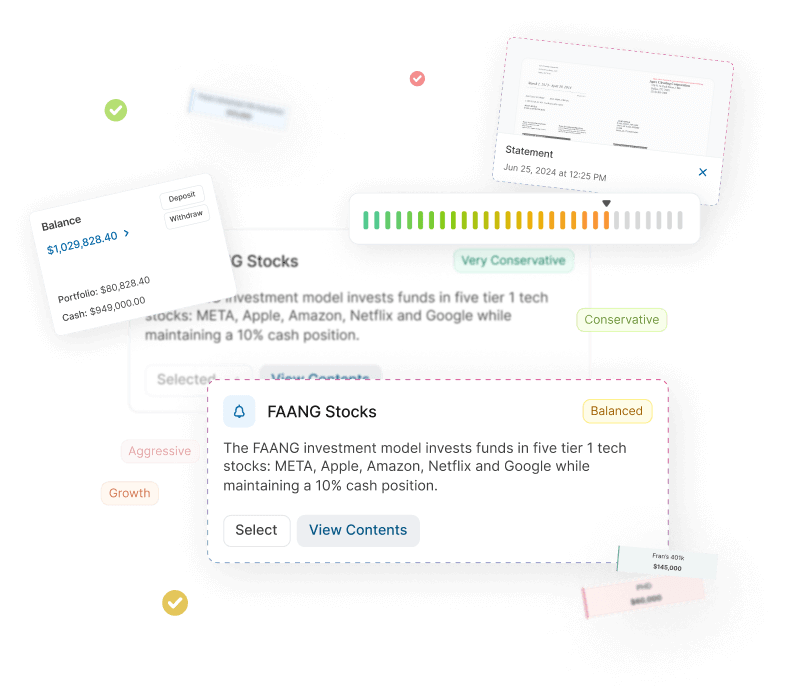
Manage portfolios with advanced rebalancing and real-time insights.
Access customizable client reports and streamlined compliance tools.
Designed for advisors seeking efficient client and portfolio management.

Demo Advanced Trading Platform
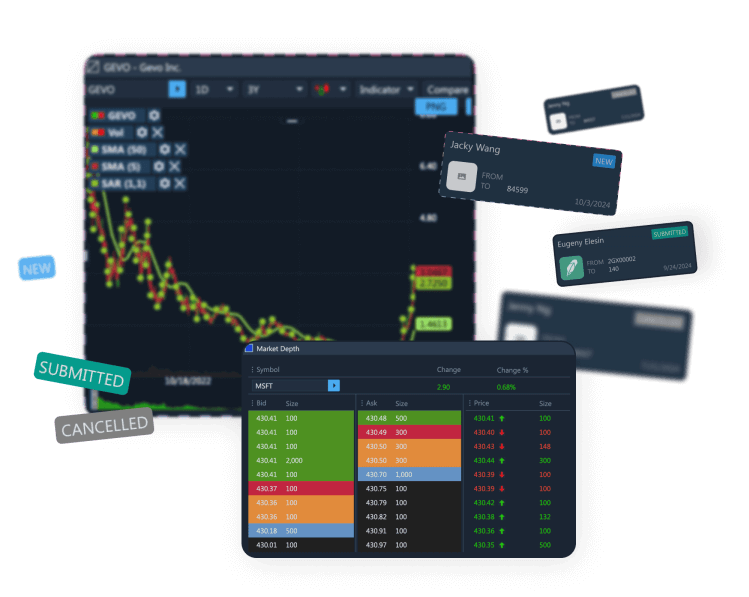
Test multi-asset strategies with real-time and historical data.
Analyze market depth, execute complex options, and algorithmic orders.
Ideal for refining strategies and risk management before live trading.

Demo Paper Trading Platform
Practice trading with virtual funds in real market conditions.
Simulate cash, margin, and day-trader accounts to gain experience.
Perfect for honing skills in a risk-free, customizable environment.