05.08.2025

Tax loss harvesting (TLH) is rapidly transforming from a year-end ritual into a core element of proactive, tech-driven wealth management. For both investors and Registered Investment Advisor (RIA) firms, staying ahead of these changes is vital for maximizing after-tax returns and meeting modern client expectations. This blog offers an educational overview of how TLH strategies work, key benefits for investors, best practices, and a comparison of leading RIA technology solutions as we move deeper into 2025.
Tax loss harvesting is a technique that involves selling securities at a loss to offset taxable gains elsewhere in a portfolio. By doing so, investors can reduce their net taxable income and, in some cases, carry forward losses to future tax years. The proceeds from the sale are typically reinvested into similar, but not “substantially identical” investments, maintaining the desired portfolio exposure while complying with IRS “wash sale” rules.
Several recent trends have elevated the importance of TLH:
Estimates from major wealth platforms suggest that continuous, automated TLH can improve an investor’s annual after-tax return by 70 to 330 basis points (0.70% to 3.3%), depending on account size, frequency of harvesting, and selection of replacement assets.
Direct indexing and automated TLH tools are reshaping the industry:
Platforms like Wealthfront have reported, for instance, that their average client received a 1.63% annual after-tax benefit from automated TLH since inception, and major platforms now offer easy-to-understand dashboards tracking taxes saved year by year.
To maximize the advantages of TLH in 2025, consider the following:
| Platform | TLH Method | Min. Assets | Direct Indexing | Wash Sale Guard | 2025 Metrics |
| Orion Custom Indexing | Automated, stock-level | $250,000 | Yes | Yes (household) | 326 bps avg. tax alpha |
| Envestnet UMA | Overlay + pick lots | $100,000 | Yes | Yes | 100+ direct indexing models |
| Schwab Intelligent Portfolios | Daily ETF swaps | $50,000 opt-in | Yes (100k+) | Yes | $18k harvest on $100k portfolio |
| Wealthfront | Daily TLH (ETF/stock) | $500 | Yes (stock: $100k+) | Yes | $83M benefit in 2023 |
| Betterment for Advisors | Automated, ETF-focused | None | No | Yes (to IRA) | 69% had benefits > advisory fees |
| ETNA RIA Suite | Lot-level, multi-custodian | $0 (white-label) | API-ready | Yes | Speed, fractional & option support |
ETNA RIA Suite stands out with:
Surveys show that nearly 80% of affluent investors now expect some form of automated TLH from their advisor. Moreover, 62% say they would leave their advisor for a competitor who demonstrates better after-tax performance reporting. Clear communication, robust automation, and transparent “tax saved” reports are now table stakes.
For RIAs and investors aiming to ensure best-in-class TLH in 2025:
Tax loss harvesting, powered by ever-improving technology and direct-indexing tools, is now a core discipline for RIAs and self-directed investors alike. With client expectations rising and regulatory changes ahead, integrating robust tax management into every step of the wealth process isn’t just smart it’s essential for growth and retention in 2025.
Tax loss harvesting, powered by ever-improving technology and direct-indexing tools, is now a core discipline for RIAs and self-directed investors alike. With client expectations rising and regulatory changes ahead, integrating robust tax management into every step of the wealth process isn’t just smart it’s essential for growth and retention in 2025.

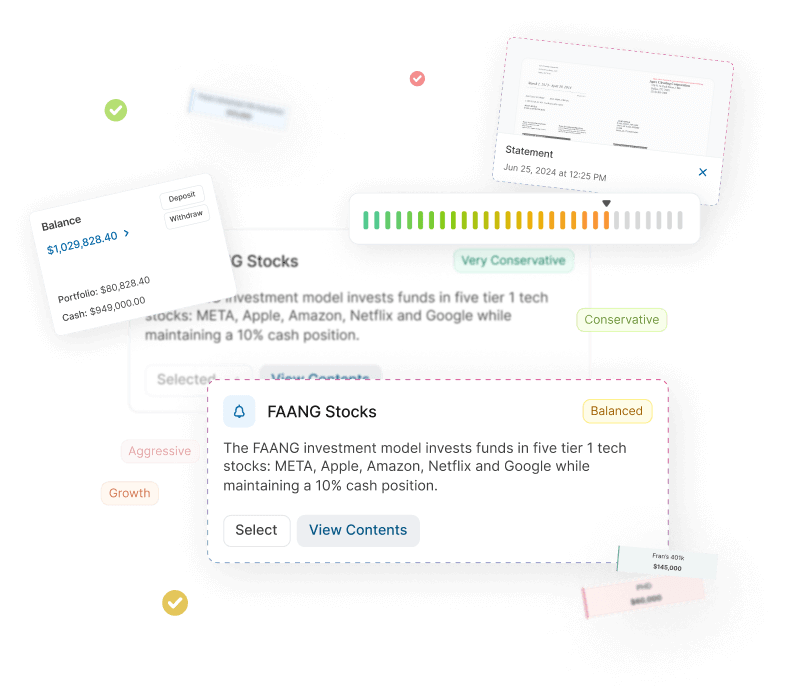
Demo Financial Advisor Software
Manage portfolios with advanced rebalancing and real-time insights.
Access customizable client reports and streamlined compliance tools.
Designed for advisors seeking efficient client and portfolio management.

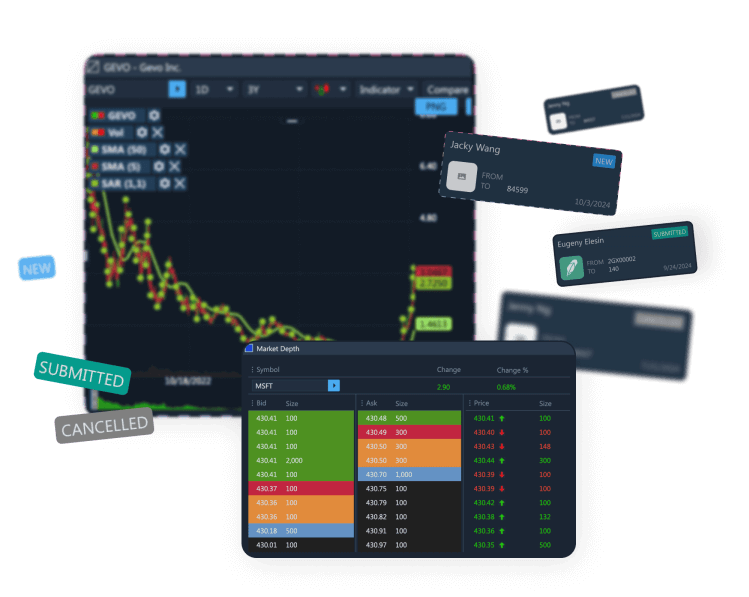
Demo Advanced Trading Platform
Test multi-asset strategies with real-time and historical data.
Analyze market depth, execute complex options, and algorithmic orders.
Ideal for refining strategies and risk management before live trading.

Demo Paper Trading Platform
Practice trading with virtual funds in real market conditions.
Simulate cash, margin, and day-trader accounts to gain experience.
Perfect for honing skills in a risk-free, customizable environment.